|
A review of different fire retardant technologies from a safe environmental hazard and risk performance.
|
Substituted
|
Non-chemical alternative
Many of the alternatives mentioned in the report are non-chemical alternatives. Many of the alternatives are also very broad substance groups and are therefore not mentioned as single substances.
|
Other |
Other |
Partial capacity |
physical hazards ecotoxicity CMR |
|
Fire resistant composition in particular for energy or telecommunication cables.
|
Substituted
|
-
Polyethylene, PE
(9002-88-4)
-
Polypropylene
(9003-07-0)
-
Ethyl-vinyl-acetate, eva
(24937-78-8)
-
Polyetherimide (pei)
(61128-46-9)
Non-chemical alternative
In the production of the thermoplastic the polymer is mixed with cork in different concentrations, preferably ranging from 10-30% by weight. The cork is used as a fire retardant filler. A second fire retardant filler is then used, preferably one containing phosphorus. Examples of advantageous secondary fire retardants fillers are organic or inorganic phosphates, antimony containing compounds, metallic hydroxides or boron based compounds. The composition should also include at least one kind of additive. Suitable additives are pigments, antioxidants or ultraviolet stabilizers.
|
Building and construction work Electricity, steam, gas water supply and sewage treatment Manufacture of rubber products Manufacture of plastics products, including compounding and conversion Scientific research and development |
Flame retardant |
Pilot study — France |
other toxic effects |
|
Evaluation of halogen-free flame retardants in polypropylene formulations as alternatives to flame retardants containing halogens.
|
Substituted
|
-
Phosphorus (red)
(7723-14-0)
-
Aluminium hydroxide
(21645-51-2)
-
Expandable graphite
-
Molybdates
-
Magnesium hydroxide
(1309-42-8)
-
Borates
-
Organoclays
|
Building and construction work Electricity, steam, gas water supply and sewage treatment Manufacture of rubber products Manufacture of plastics products, including compounding and conversion Manufacture of textiles, leather, fur Scientific research and development |
Flame retardant Incandescent agent Luminescent agent |
Pilot study |
PBT ecotoxicity |
|
Fire-resistant and flame proof coating for polymeric thermoplastics and thermoset resins.
|
Substituted
|
-
Ammonium polyphosphate
(68333-79-9)
-
Tribetachloroethylphosphate
(68411-66-5)
-
Expandable graphite
-
Dipentaerythriol
(126-58-9)
-
Tripentaerythritol
(78-24-0)
-
Mica, potassium aluminum silicate
(12001-26-2)
-
Melamine
(108-78-1)
|
Building and construction work Manufacture of rubber products Manufacture of plastics products, including compounding and conversion |
Flame retardant |
Pilot study |
ecotoxicity physical hazards CMR |
|
Substitution of brominated flame retardants with non-halogenated alternatives using the GreenScreen™ for safer chemicals alternatives assessment tool.
|
Substituted
|
-
Aluminium hydroxide
(21645-51-2)
-
Melamine polyphosphate
(218768-84-4)
-
Diethylphosphinic acid aluminium salt
(225789-38-8)
-
Boehmite
(1318-23-6)
|
Manufacture of computer, electronic and optical products, electrical equipment Scientific research and development |
Flame retardant |
Full capacity |
other reasons |
|
Animal dolls made without synthetic materials, flame-retardants, allergens or PVC
|
Substituted
|
Non-chemical alternative
Using natural, organic materials instead of synthetic materials.
|
Manufacture of textiles, leather, fur Other |
Other |
Full capacity |
CMR vPvB skin/respiratory sensitizing |
|
An alternative engineering plastic completely free from brominated flame retardants, PVC and plasticizers for electronics.
|
Substituted
|
-
Polyamide 4t (stanyl fortii)
(103945-40-0)
|
Manufacture of rubber products Manufacture of plastics products, including compounding and conversion |
Flame retardant |
In use |
CMR ED |
|
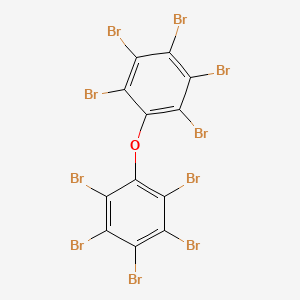
Flame retarding products free of Deca-BDE used at theatre
|
Substituted
|
-
Citric acid, anhydrous
(77-92-9)
-
Sodium benzoate
(532-32-1)
-
Ammonium bromide
(12124-97-9)
|
Manufacture of textiles, leather, fur |
Flame retardant |
In use |
PBT |
|
Decabromodiphenyl ether flame retardants in plastic pallets; A safer alternatives assessment
|
Substituted
|
-
Magnesium hydroxide
(1309-42-8)
Non-chemical alternative
Using wooden pallets would also provide the flame retardant properties desired for this application, according to this study.
|
Manufacture of rubber products Manufacture of plastics products, including compounding and conversion Other |
Flame retardant |
Full capacity |
CMR PBT vPvB |
|
DecaBDE and Alternatives in Electrical and Electronic Equipment (EEE)
|
Substituted
|
-
Phosphorus (red)
(7723-14-0)
-
Melamine polyphosphate
(218768-84-4)
-
Magnesium hydroxide
(1309-42-8)
-
Ammonium polyphosphate
(68333-79-9)
|
Manufacture of computer, electronic and optical products, electrical equipment Manufacture of pulp, paper and paper products Manufacture of rubber products Manufacture of plastics products, including compounding and conversion Manufacture of textiles, leather, fur Manufacture of wood and wood products Other |
Flame retardant |
In use |
PBT physical hazards ecotoxicity |