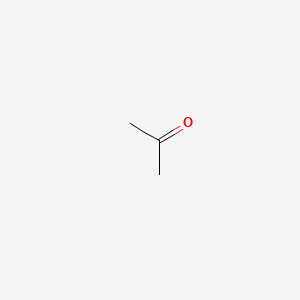
|
Substitution of toluene, xylene and naphtha as solvents for cleaning tools in garages
|
Substituted
|
|
General manufacturing, e.g. machinery, equipment, vehicles, other transport equipment |
Solvent |
In use — 2006 in Spain |
other toxic effects |
|
Substitution of a neurotoxic solvent that contained acetates and acetone used in the cleaning of metal parts
|
Substituted
|
-
Potassium hydroxide
(1310-58-3)
-
Tetrasodium pyrophosphate
(7722-88-5)
-
n-Propanol
(71-23-8)
-
Ethyl acetate
(141-78-6)
|
General manufacturing, e.g. machinery, equipment, vehicles, other transport equipment |
Solvent |
In use — 2011 en España |
neurotoxicant |
|
Fire-resistant and flame proof coating for polymeric thermoplastics and thermoset resins.
|
Substituted
|
-
Ammonium polyphosphate
(68333-79-9)
-
Tribetachloroethylphosphate
(68411-66-5)
-
Expandable graphite
-
Dipentaerythriol
(126-58-9)
-
Tripentaerythritol
(78-24-0)
-
Mica, potassium aluminum silicate
(12001-26-2)
-
Melamine
(108-78-1)
|
Building and construction work Manufacture of rubber products Manufacture of plastics products, including compounding and conversion |
Flame retardant |
Pilot study |
ecotoxicity physical hazards CMR |
|
Alternatives for parquet adhesive products
|
Substituted
|
|
Manufacture of wood and wood products Building and construction work |
Sizing agent |
In use — 2011 in Germany and other European countries |
physical hazards |
|
Removal of contact glue in boat cabins
|
Substituted
|
Not stated
|
Agriculture, forestry, fishery Other |
Cleaning agent Solvent |
In use — 2010 |
neurotoxicant skin/respiratory sensitizing physical hazards |
|
Substituting Methanol and Borax in gold jewellery production.
|
Used as alternative
|
-
Acetone
(67-64-1)
-
Hydrogen
(1333-74-0)
|
Manufacture of fabricated metal products, except machinery and equipment General manufacturing, e.g. machinery, equipment, vehicles, other transport equipment |
Other |
In use |
skin/respiratory sensitizing other toxic effects |
|
Cleaning of tools used for polyester resin with propylene carbonate as alternative to acetone
|
Substituted
|
-
Propylene carbonate
(108-32-7)
|
General manufacturing, e.g. machinery, equipment, vehicles, other transport equipment Other |
Cleaning agent |
In use — USA |
physical hazards neurotoxicant |
|
Safer Alternatives to Solvent Aerosol Automotive Cleaning Products
|
Used as alternative
|
-
Acetone
(67-64-1)
-
Soybean oil
(8001-22-7)
|
General manufacturing, e.g. machinery, equipment, vehicles, other transport equipment Other |
Cleaning agent |
Full capacity — 2004 USA |
ED ecotoxicity skin/respiratory sensitizing |
|
Alternatives to Toxic, VOC, Ozone Depleting and Global Warming Energised Electrical Equipment Cleaners
|
Used as alternative
|
-
Acetone
(67-64-1)
-
Soybean oil
(8001-22-7)
-
Carbon dioxide
(124-38-9)
-
Water
(7732-18-5)
Non-chemical alternative
In addition to cleaners based on soy, acetone and water, also technical solutions were evaluated and found to perform well. These include high pressure deionised water and carbon dioxide pellet blasting.
|
Scientific research and development |
Cleaning agent |
Full capacity |
CMR skin/respiratory sensitizing ecotoxicity |
|
Assessment, development and demonstration of alternatives for parachlorobenzotrifluoride
|
Used as alternative
|
-
Acetone
(67-64-1)
-
Soybean oil
(8001-22-7)
-
Methyl acetate
(79-20-9)
-
Propan-2-ol
(67-63-0)
-
Ethane-1,2- diol
(107-21-1)
|
Building and construction work Scientific research and development |
Cleaning agent |
In use — 2006 USA |
CMR skin/respiratory sensitizing |
|
Assessment, development and demonstration of alternatives for n-propyl bromide
|
Used as alternative
|
Non-chemical alternative
Alternative cleaning processes suggested in this document include laser cleaning, carbon dioxide pellet blasting and deionised water.
|
Manufacture of rubber products Manufacture of plastics products, including compounding and conversion Building and construction work Scientific research and development |
Cleaning agent |
In use — 2006 USA |
CMR physical hazards skin/respiratory sensitizing |
|
Assessment, development and demonstration of alternatives for n-methyl pyrrolidone
|
Used as alternative
|
-
Acetone
(67-64-1)
-
Benzyl alcohol
(100-51-6)
Non-chemical alternative
This is a report from a project investigating the alternatives to n-methyl pyrrolidone.
|
Building and construction work Electricity, steam, gas water supply and sewage treatment Scientific research and development |
Cleaning agent |
Full capacity — 2006 USA |
physical hazards skin/respiratory sensitizing |
|
Assessment, development and demonstration of alternatives for 1,2-trans-dichloroethylene
|
Used as alternative
|
-
Acetone
(67-64-1)
-
Soybean oil
(8001-22-7)
Non-chemical alternative
For printed circuit board cleaning the recommended alternative was to use low solid flux which does not require cleaning, the other option is to use water soluble flux which can be cleaned with deionised water.
|
Building and construction work Manufacture of computer, electronic and optical products, electrical equipment Scientific research and development |
Cleaning agent |
In use — 2006 USA |
physical hazards skin/respiratory sensitizing ecotoxicity |
|
Substitution of toluene, benzene and cyclohexane in the treatment of leather for footwear manufacture
|
Used as alternative
|
Non-chemical alternative
Purchase of pre-tanned leather
|
Manufacture of textiles, leather, fur |
Solvent Tanning agent |
Full capacity — 2008, Spain |
ED skin/respiratory sensitizing other toxic effects ecotoxicity physical hazards |
|
Dibasic esters as alternative to acetone in cleaning tools and equipments used for fiberglass polyester laminate
|
Substituted
|
-
Dibasic esters
-
Dimethyl glutarate
(1119-40-0)
-
Dimethyl succinate
(106-65-0)
-
Dimethyl adipate
(627-93-0)
|
Other |
Cleaning agent |
In use — USA |
skin/respiratory sensitizing physical hazards |
|
Replacement of dichloromethane, trichloroethane, acetone and toluene by dibasic esters as cleaning solvent in a yacht company
|
Substituted
|
-
Dibasic esters
-
Dimethyl glutarate
(1119-40-0)
-
Dimethyl succinate
(106-65-0)
-
Dimethyl adipate
(627-93-0)
|
Agriculture, forestry, fishery Other |
Cleaning agent Solvent |
In use |
CMR skin/respiratory sensitizing ecotoxicity physical hazards |
|
Substitution of acetone used for washing contaminated machine parts
|
Substituted
|
-
Alcohols, C12-14 (even numbered), ethoxylated propoxylated
(68439-51-0)
|
Manufacture of fine chemicals |
Cleaning agent |
In use |
neurotoxicant other toxic effects other reasons |
|
Alternatives to perchloroethylene vapour degreasing for plating operations
|
Used as alternative
|
Non-chemical alternative
Water-based cleaners
|
General manufacturing, e.g. machinery, equipment, vehicles, other transport equipment Manufacture of fabricated metal products, except machinery and equipment |
Cleaning agent |
2003 in Canada |
CMR |