|
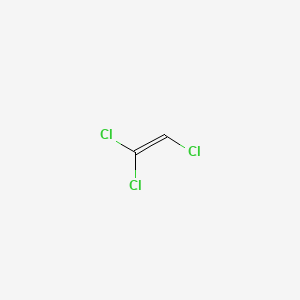
Removal of trichloroethylene in the manufacture of metal parts
|
Substituted
|
Non-chemical alternative
Water-based cleaning machine. Non-toxic cleaning agent (96% deionised water).
|
Manufacture of fabricated metal products, except machinery and equipment General manufacturing, e.g. machinery, equipment, vehicles, other transport equipment |
Cleaning agent |
Full capacity — Spain |
CMR other toxic effects ecotoxicity physical hazards |
|
Substitution of trichloroethylene in a vocational training facility specialized in printing processes
|
Substituted
|
-
Esters based on coconut oil
|
Printing and reproduction of recorded media Other |
Cleaning agent |
Full capacity — 2006, Spain |
CMR neurotoxicant |
|
Elimination of perchlorethylene used for dry cleaning in a laundry establishment
|
Substituted
|
Non-chemical alternative
The process was modified. Perchloroethylene was used to remove stains that would not wash away with regular laundering. Given the risk it implied the use of this chemical for workers? health, this phase of the process was eliminated. Heavily stained garment pieces are discarded and replaced by new ones. The main organizational measure is eliminating the dirtiest clothes so they would not need a secondary cleaning process.
|
Other |
Cleaning agent |
In use — Spain |
CMR |
|
Elimination of trichloroethylene in asphalt quality control laboratories
|
Substituted
|
Non-chemical alternative
Muffle furnace
|
Building and construction work Scientific research and development |
Cleaning agent |
Full capacity — 2006 en España |
CMR neurotoxicant |
|
Different ways to phase out halocarbons like dichloromethane in various applications.
|
Substituted
|
-
Ethanol
(64-17-5)
-
Water
(7732-18-5)
-
Terpenes
-
Nitrogen
(7727-37-9)
-
Sodium carbonate
(497-19-8)
-
Sodium hydroxide
(1310-73-2)
-
1,2,3-Trimethylbenzene
(526-73-8)
Non-chemical alternative
Some of the alternatives proposed in this study are non-chemical. Among the more general solutions are the reduction of unnecessary cleaning and degreasing and sometimes even a total change in production or manufacturing procedures. Other, more specific solutions included cleaning processes using inert gas and the utilization of high performance mixture heads. In paint stripping, general chemical alternatives have been proposed, these include acidic-, or alkaline stripping, pyrolysis and fluidized bed stripping.
|
Scientific research and development Building and construction work General manufacturing, e.g. machinery, equipment, vehicles, other transport equipment Manufacture of computer, electronic and optical products, electrical equipment Manufacture of fabricated metal products, except machinery and equipment Manufacture of basic metals, including alloys Manufacture of plastics products, including compounding and conversion Manufacture of rubber products |
Solvent |
Partial capacity — Sweden |
CMR physical hazards |
|
Practical guide for the substitution of hazardous chemicals by less harmful substances in industrial facilities.
|
Substituted
|
Not stated
|
Other |
Other |
|
CMR neurotoxicant skin/respiratory sensitizing physical hazards |
|
Use of carbon dioxide as alternative for caffeine extraction
|
Substituted
|
-
Carbon dioxide
(124-38-9)
|
Manufacture of food products |
Other |
In use |
CMR neurotoxicant |
|
Cleaning of car steering components by injection flooding
|
Substituted
|
-
Potassium hydroxide
(1310-58-3)
-
2-Aminoethanol
(141-43-5)
Non-chemical alternative
An injection flooding plant is used in combination with aqueous cleaner containing the alternative substances.
|
General manufacturing, e.g. machinery, equipment, vehicles, other transport equipment |
Cleaning agent Solvent |
In use — 2004 in Germany |
CMR other toxic effects |
|
Micro Phase Cleaning of jet engine parts to allow crack detection
|
Substituted
|
-
Aqueous cleaner
-
(1-Methyl-1,2-ethanediyl)bis[oxy(methyl-2,1-ethanediyl)] diacrylate
(42978-66-5)
-
(1-Methyl-1,2-ethanediyl)bis[oxy(methyl-2,1-ethanediyl)] diacrylate
(42978-66-5)
-
(1-Methyl-1,2-ethanediyl)bis[oxy(methyl-2,1-ethanediyl)] diacrylate
(42978-66-5)
-
(1-Methyl-1,2-ethanediyl)bis[oxy(methyl-2,1-ethanediyl)] diacrylate
(42978-66-5)
-
(1-Methyl-1,2-ethanediyl)bis[oxy(methyl-2,1-ethanediyl)] diacrylate
(42978-66-5)
-
(1-Methyl-1,2-ethanediyl)bis[oxy(methyl-2,1-ethanediyl)] diacrylate
(42978-66-5)
-
(1-Methyl-1,2-ethanediyl)bis[oxy(methyl-2,1-ethanediyl)] diacrylate
(42978-66-5)
-
(1-Methyl-1,2-ethanediyl)bis[oxy(methyl-2,1-ethanediyl)] diacrylate
(42978-66-5)
-
(1-Methyl-1,2-ethanediyl)bis[oxy(methyl-2,1-ethanediyl)] diacrylate
(42978-66-5)
|
General manufacturing, e.g. machinery, equipment, vehicles, other transport equipment |
Cleaning agent |
In use — 2007 in Germany |
CMR neurotoxicant |
|
Alternatives to Toxic, VOC, Ozone Depleting and Global Warming Energised Electrical Equipment Cleaners
|
Substituted
|
-
Acetone
(67-64-1)
-
Soybean oil
(8001-22-7)
-
Carbon dioxide
(124-38-9)
-
Water
(7732-18-5)
Non-chemical alternative
In addition to cleaners based on soy, acetone and water, also technical solutions were evaluated and found to perform well. These include high pressure deionised water and carbon dioxide pellet blasting.
|
Scientific research and development |
Cleaning agent |
Full capacity |
CMR skin/respiratory sensitizing ecotoxicity |
|
Water-based technology to produce polyurethane and polyester/polyamide microfibers
|
Substituted
|
Non-chemical alternative
An alternative technology allowing complete substitution and/or elimination of different organic solvents normally used in this process.
|
Manufacture of textiles, leather, fur Manufacture of wood and wood products General manufacturing, e.g. machinery, equipment, vehicles, other transport equipment Other |
Other |
Full capacity — Italy 2005 |
CMR ED other toxic effects ecotoxicity |
|
Ethyl lactate and methyl soyate as bio based alternatives to chlorinated and other petroleum based solvents
|
Substituted
|
-
Ethyl L-lactate
(687-47-8)
-
Soy bean methyl ester
(67784-80-9)
|
Other |
Cleaning agent Plating agent Solvent |
In use |
physical hazards neurotoxicant CMR ED skin/respiratory sensitizing |
|
Removal of Trichloroethylene in the production of car accessories
|
Substituted
|
Non-chemical alternative
Closed washing process with soap and water
|
General manufacturing, e.g. machinery, equipment, vehicles, other transport equipment Manufacture of fabricated metal products, except machinery and equipment |
Cleaning agent |
Full capacity — 2005 in Spain |
CMR neurotoxicant other toxic effects |