|
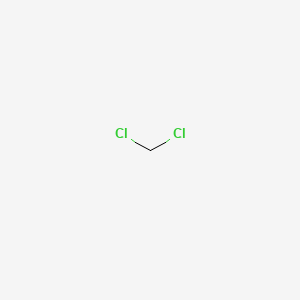
Different ways to phase out halocarbons like dichloromethane in various applications.
|
Substituted
|
-
Ethanol
(64-17-5)
-
Water
(7732-18-5)
-
Terpenes
-
Nitrogen
(7727-37-9)
-
Sodium carbonate
(497-19-8)
-
Sodium hydroxide
(1310-73-2)
-
1,2,3-Trimethylbenzene
(526-73-8)
Non-chemical alternative
Some of the alternatives proposed in this study are non-chemical. Among the more general solutions are the reduction of unnecessary cleaning and degreasing and sometimes even a total change in production or manufacturing procedures. Other, more specific solutions included cleaning processes using inert gas and the utilization of high performance mixture heads. In paint stripping, general chemical alternatives have been proposed, these include acidic-, or alkaline stripping, pyrolysis and fluidized bed stripping.
|
Scientific research and development Building and construction work General manufacturing, e.g. machinery, equipment, vehicles, other transport equipment Manufacture of computer, electronic and optical products, electrical equipment Manufacture of fabricated metal products, except machinery and equipment Manufacture of basic metals, including alloys Manufacture of plastics products, including compounding and conversion Manufacture of rubber products |
Solvent |
Partial capacity — Sweden |
CMR physical hazards |
|
Practical guide for the substitution of hazardous chemicals by less harmful substances in industrial facilities.
|
Substituted
|
Not stated
|
Other |
Other |
|
CMR neurotoxicant skin/respiratory sensitizing physical hazards |
|
Dimethyl sulfoxide as alternative solvent
|
Substituted
|
Not stated
|
Manufacture of bulk, large scale chemicals (including petroleum products) Manufacture of fine chemicals Manufacture of rubber products Manufacture of plastics products, including compounding and conversion Building and construction work |
Solvent |
In use |
CMR sensitizing |
|
Infrared paint stripper used as alternative to chemical stripping
|
Substituted
|
Non-chemical alternative
Infrared paint stripper
|
Building and construction work |
Cleaning agent |
In use — 2010, Romania |
CMR |
|
Substitution of dichloromethane in the analysis of pesticide residue
|
Substituted
|
|
Agriculture, forestry, fishery Manufacture of food products Scientific research and development |
Solvent |
|
ecotoxicity physical hazards |
|
Use of carbon dioxide as alternative for caffeine extraction
|
Substituted
|
-
Carbon dioxide
(124-38-9)
|
Manufacture of food products |
Other |
In use |
CMR neurotoxicant |
|
Facade cleaning using dry ice blasting for monument restoration in Prague
|
Substituted
|
-
Carbon dioxide
(124-38-9)
|
Building and construction work |
Cleaning agent |
In use — Prague |
CMR |
|
Paint stripping of dashboards
|
Substituted
|
-
Benzyl alcohol
(100-51-6)
-
Formic acid
(64-18-6)
|
General manufacturing, e.g. machinery, equipment, vehicles, other transport equipment |
Solvent |
In use — 2005 in Germany |
CMR |
|
Pressurised water as alternative to cleaning of rotary screen in the textile sector
|
Substituted
|
Non-chemical alternative
Pressurised water cleaning machine.
|
Manufacture of textiles, leather, fur |
Cleaning agent Other |
Full capacity — 2000 |
CMR skin/respiratory sensitizing |
|
Extraction of Active Pharmaceutical Ingredients (API’s) and other active organic compounds with Supercritical Carbon Dioxide.
|
Substituted
|
-
Carbon dioxide
(124-38-9)
|
Health services Other |
Other |
Full capacity |
CMR physical hazards skin/respiratory sensitizing other toxic effects |
|
Enzymatic processes versus chemical processes in the preparation of 6-aminopenicillanic acid
|
Substituted
|
-
Ammonia, anhydrous
(7664-41-7)
-
Water
(7732-18-5)
-
Biocatalyst
Non-chemical alternative
Enzymatic processes
|
Health services Scientific research and development |
Other |
In use |
CMR neurotoxicant other toxic effects ecotoxicity |
|
Substitution of a hydrocarbon-based anti-adherent used in industrial welding
|
Substituted
|
-
Oleic acid
(112-80-1)
-
Water
(7732-18-5)
|
Manufacture of basic metals, including alloys Manufacture of fabricated metal products, except machinery and equipment General manufacturing, e.g. machinery, equipment, vehicles, other transport equipment |
Other |
Full capacity — 2010, Spain |
CMR |
|
Alternative to dichloromethane in graffiti and paint stripping
|
Substituted
|
-
Dimethyl succinate
(106-65-0)
-
Dimethyl glutarate
(1119-40-0)
-
Dimethyl adipate
(627-93-0)
|
Building and construction work Other |
Other |
In use |
CMR |
|
Replacement of dichloromethane, trichloroethane, acetone and toluene by dibasic esters as cleaning solvent in a yacht company
|
Substituted
|
-
Dibasic esters
-
Dimethyl glutarate
(1119-40-0)
-
Dimethyl succinate
(106-65-0)
-
Dimethyl adipate
(627-93-0)
|
Agriculture, forestry, fishery Other |
Cleaning agent Solvent |
In use |
CMR skin/respiratory sensitizing ecotoxicity physical hazards |
|
Cleaning after polymerisation of acrylate plastic.
|
Substituted
|
Non-chemical alternative
Pressurised hot water. Ethyl acetate is now only used, but in minor amounts.
|
Manufacture of rubber products Manufacture of plastics products, including compounding and conversion |
Cleaning agent Other |
In use — 2004 Denmark |
CMR skin/respiratory sensitizing physical hazards neurotoxicant |
|
Ethyl lactate and methyl soyate as bio based alternatives to chlorinated and other petroleum based solvents
|
Substituted
|
-
Ethyl L-lactate
(687-47-8)
-
Soy bean methyl ester
(67784-80-9)
|
Other |
Cleaning agent Plating agent Solvent |
In use |
physical hazards neurotoxicant CMR ED skin/respiratory sensitizing |
|
Substitution of methylene chloride as cleaning agent in a company producing construction chemicals
|
Substituted
|
-
Dimethyl sulfoxide
(67-68-5)
-
γ-Butyrolactone
(96-48-0)
-
2-Ethylhexyl acetate
(103-09-3)
|
Building and construction work |
Cleaning agent |
Pilot study |
CMR |